
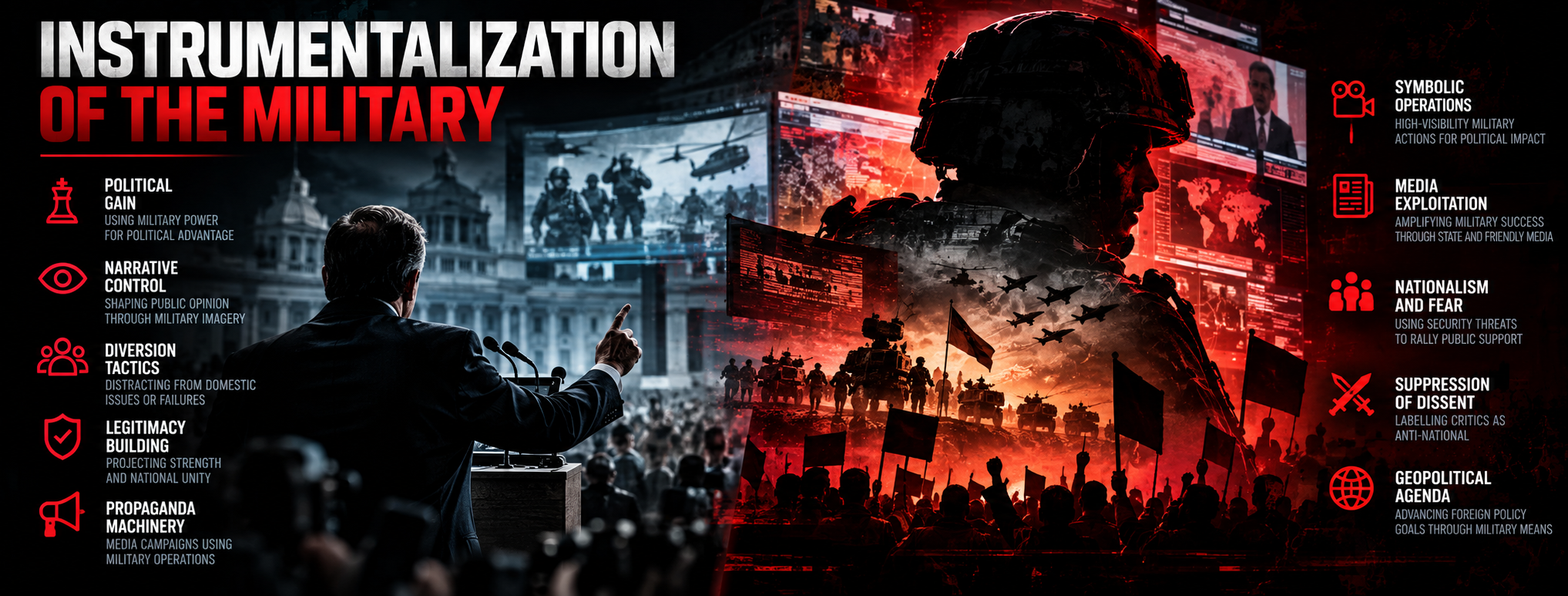
When military power is turned into a political instrument, accountability becomes a threat and dissent is recast as disloyalty
When military authority is exploited for political advantage, the line between national security and political self-preservation begins to blur. Those who challenge official narratives may face accusations of disloyalty, while patriotic sentiment is leveraged to discourage critical examination. Such practices can weaken democratic institutions, compromise independent accountability, and turn public trust in the military into a tool for protecting political power.
A Critical Test Case In Military-Political Propaganda
Present the influencer with documented evidence of scams, corruption, and other alleged misconduct involving the ruling government. If they refuse to address the material, question their independence and transparency as they can be paid state actors.
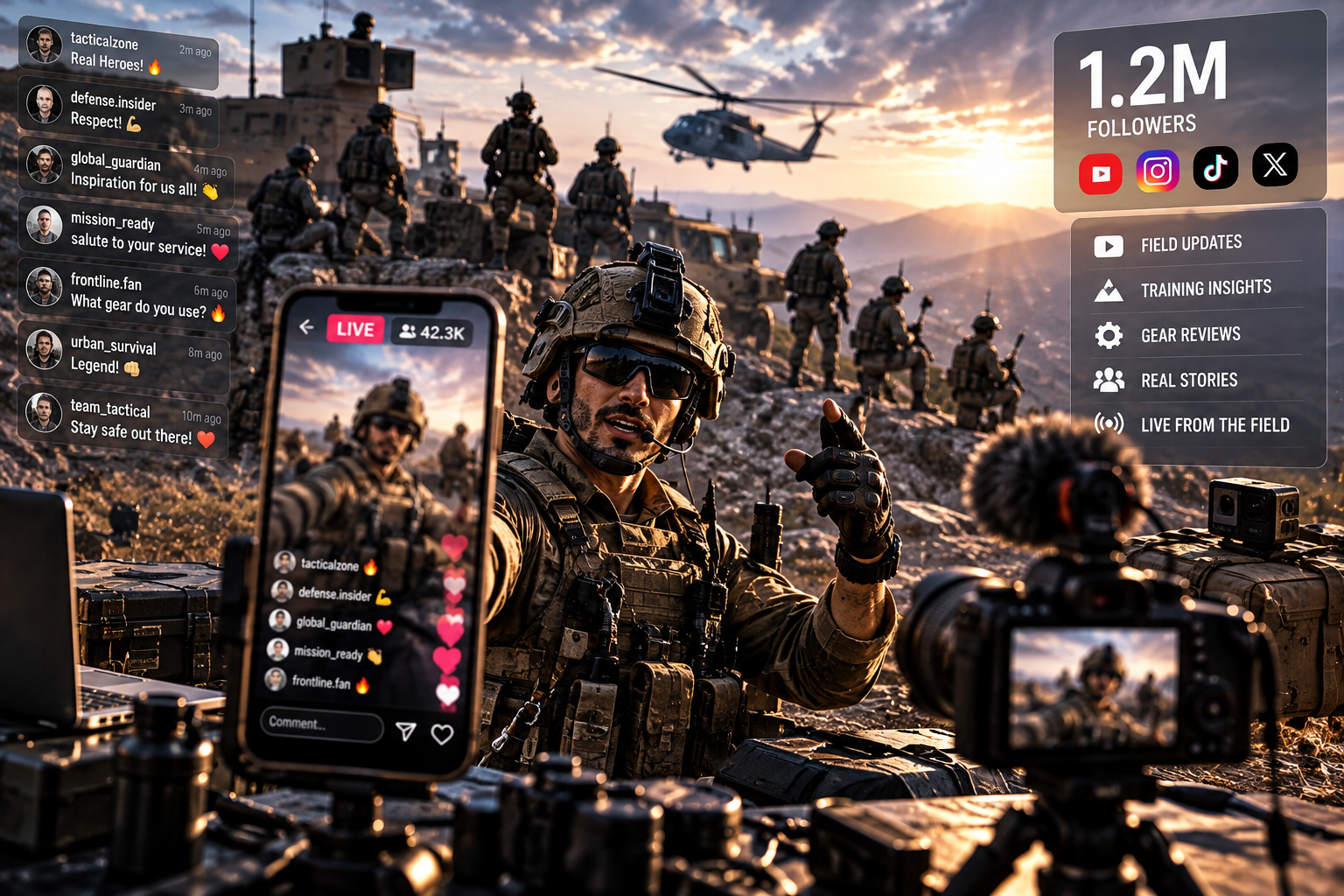
Soldiers as Digital Propaganda Assets
Their service records, nationalistic credentials, and security expertise may be invoked to frame political messaging as patriotic duty, discourage dissent, or portray critical scrutiny as disloyalty.
◼️ Political Gain
The use of military power, operations, and national security narratives to advance political interests, consolidate authority, influence public perception, or strengthen a governing party’s position.
◼️ Narrative Control
Shaping public understanding of military actions through official statements, strategic messaging, selective disclosure, and the presentation of events to reinforce a preferred political narrative.
◼️ Diversion Tactics
The emphasis on military confrontations or national security concerns may divert public attention from domestic controversies, economic challenges, governance failures, or political accountability.
◼️ Legitimacy Building
Military operations and displays of national strength can be presented as evidence of leadership competence, state authority, and national unity, potentially reinforcing public confidence in political institutions.
◼️ Propaganda Machinery
The coordinated communication of military-related narratives through official channels, political messaging, and sympathetic media can influence public interpretation of security events and reinforce particular political objectives.
◼️ Symbolic Operations
Military deployments, ceremonies, high-profile strikes, and public demonstrations of force can carry symbolic significance beyond their immediate operational purpose, projecting resolve, strength, and political authority.
◼️ Media Exploitation
Military achievements, official briefings, and security developments may be selectively amplified through state-aligned or politically sympathetic media to shape public sentiment and establish favourable interpretations of events.
◼️ Nationalism and Fear
National identity, perceived external threats, and collective security concerns can intensify public solidarity and support for military action. Political actors may also invoke these emotions to discourage scrutiny or strengthen their position.
◼️ Suppression of Dissent
Criticism of military policy or government security decisions may be portrayed as disloyalty or a threat to national unity. Such framing can marginalise opposing viewpoints and narrow the space for legitimate public debate.
◼️ Geopolitical Agenda
Military power can serve broader foreign-policy objectives, including regional influence, strategic deterrence, diplomatic leverage, and the pursuit of national interests. Political messaging may frame these objectives as essential to national security.
The instrumentalization of the military occurs when military institutions, operations, symbolism, or public perceptions of national security are used to advance objectives beyond their immediate defence function. Examining this phenomenon requires distinguishing legitimate military necessity from political exploitation through evidence-based analysis of decision-making, communications, media framing, and institutional accountability.